







What Surfaces Do POSCA Pens Work On? The Ultimate Australian Artist’s Guide
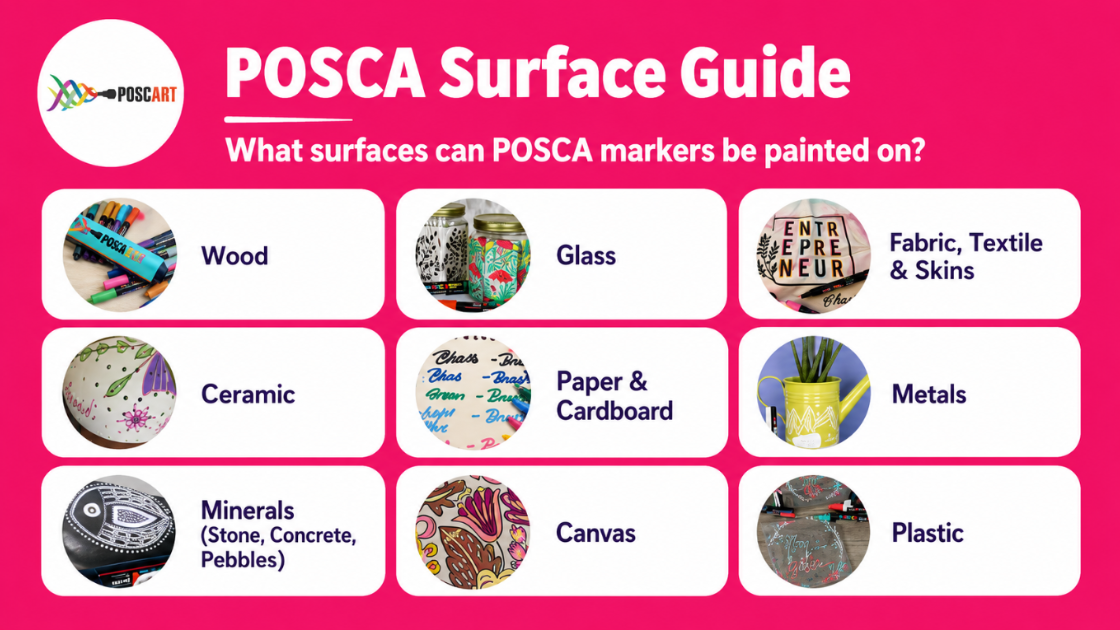
You can transform almost any object in your home into a vibrant work of art, but the real secret to a professional finish isn't just the pen. It's the chemistry between the ink and the material beneath it. If you've ever wondered what surfaces do posca pens work on, you aren't alone. Many Australian artists have felt the frustration of finishing a detailed design on a ceramic mug or a pair of leather sneakers, only to watch the pigment smudge or wash away because the surface wasn't prepared correctly.
It's disheartening to waste your favourite acrylic paint markers on the wrong material, but we're here to ensure that never happens again. This guide provides the practical knowledge you need to customise virtually anything with total confidence. We'll show you how to prep every material and which sealing techniques ensure your artwork remains permanent and professional. From porous timber to non-porous glass, you're about to discover how to get the most out of your drawing supplies and achieve results that truly last.
Key Takeaways
- Learn exactly what surfaces do posca pens work on and how to distinguish between porous and non-porous materials for optimal ink adhesion.
- Discover why cleaning non-porous surfaces like glass or metal with isopropyl alcohol is a non-negotiable step for a professional result.
- Master the "PoscART Professional Finish" by choosing the right varnish to seal your artwork against smudging and fading.
- Gain confidence in customising local favourites like river stones and surfboards with specific preparation and priming tips.
- Understand how to manage ink absorption on timber and fabric to keep your colours vibrant and prevent unwanted bleeding.
Understanding POSCA Ink: Why It Works on Almost Everything
POSCA markers aren't your average stationery item. They're water-based, odourless, and non-toxic pigment markers that behave more like liquid paint than traditional ink. While a standard dye-based marker might soak through paper and bleed into the fibres, POSCA paint markers use a high-opacity pigment that stays exactly where you put it. This unique formulation is why so many creators ask: what surfaces do posca pens work on? The answer lies in the ink's ability to form a vibrant, opaque layer that sits on top of the material rather than disappearing into it.
Inside every marker, you'll hear a distinct rattle. That's the internal ball-bearing, a crucial component that keeps the pigment perfectly mixed and consistent. Without this, the heavy acrylic-like particles would settle at the bottom, leading to streaky or watery lines. By shaking the pen, you ensure the ink is ready to tackle a variety of textures with the same punchy colour payoff. This suspension system is what allows the ink to remain lightfast and waterproof once dry, providing a professional finish that rivals traditional acrylic paints.
To see these markers in action across different materials, watch this helpful video:
Porous vs. Non-Porous Surfaces
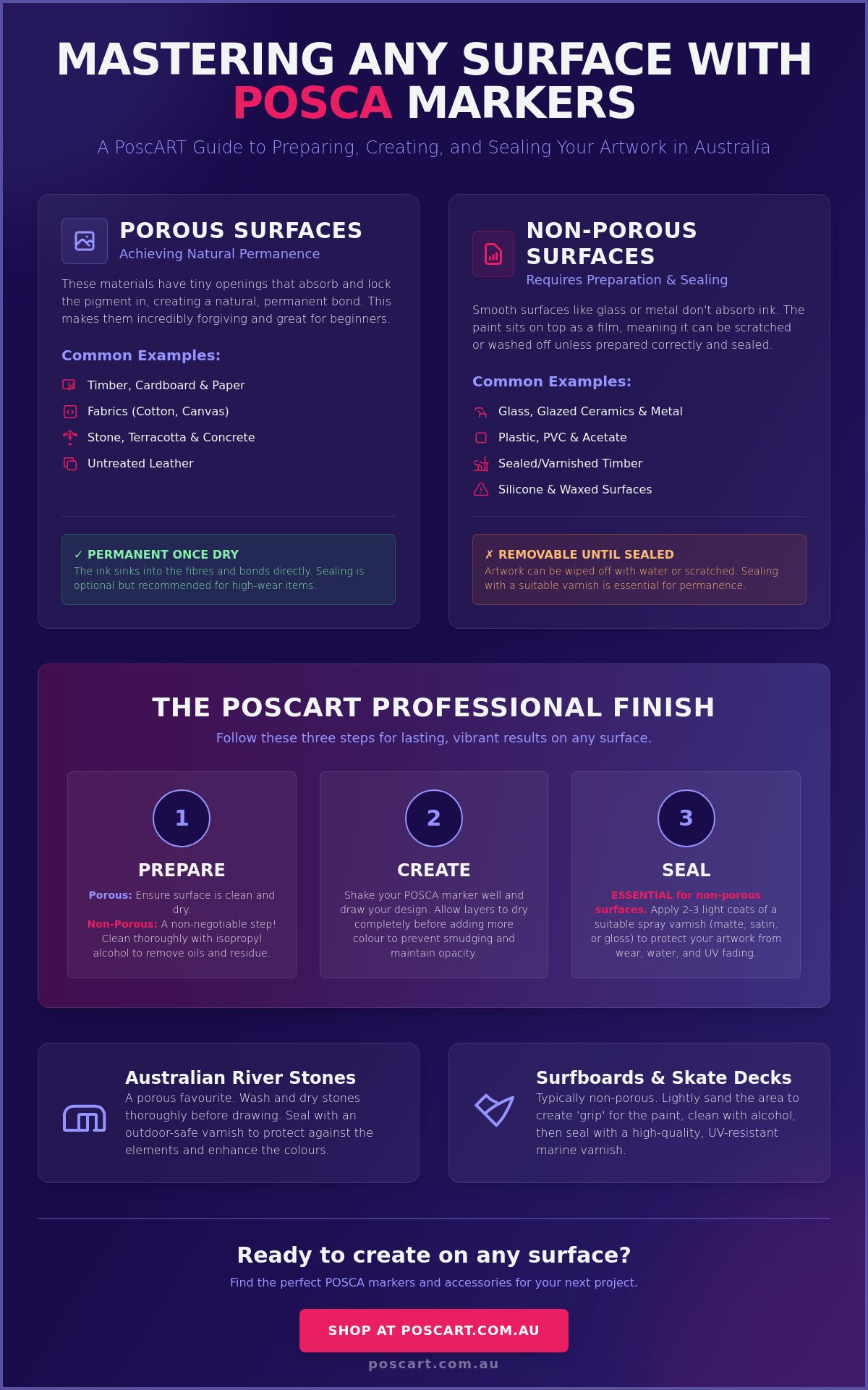
Understanding the difference between porous and non-porous materials is the first step to mastering your craft. Porous materials, such as untreated wood, cardboard, and fabric, have tiny openings that "lock" the pigment into the surface. This creates a natural permanence that's hard to beat. On these surfaces, the ink bonds deeply, making it resistant to fading or rubbing off over time.
Non-porous materials like glass, plastic, and polished metal don't absorb the ink at all. On these materials, the ink acts as a decorative film that remains removable until you apply a fixative or heat-treat it. Because there's no "grip," the ink relies on a mechanical bond. This means you need to ensure the surface is perfectly clean before you start. Always practise a small test stroke in an inconspicuous area to check for adhesion before committing to a full design, as some modern coatings can repel the water-based ink.
The Versatility of the POSCA Range
The range is built for variety, offering 10 different tip sizes to suit every possible project. A POSCA PC-5M medium bullet tip is a fantastic all-rounder for smooth or slightly textured surfaces, while a brush tip might be better for delicate, uneven shapes. Having the right tool for the job prevents the nib from wearing down prematurely on rougher materials like stone or unglazed ceramic.
Using genuine markers is essential for maintaining a consistent flow across different materials. Counterfeit versions often lack the high-quality pigment required to stay opaque on darker backgrounds. When you use the real deal, you'll find the ink covers even the deepest blacks with ease. Matching the right nib to your chosen surface ensures you won't damage the tip or end up with a patchy finish, giving you the confidence to explore what surfaces do posca pens work on without limitations.
Porous Surfaces: Achieving Natural Permanence
Porous surfaces are the most forgiving entry point for any artist. Because these materials have tiny openings or fibres, they act like a mechanical lock for the water-based pigment, ensuring your work stays exactly where you want it. This creates a natural bond that often makes the ink permanent without the need for complex fixatives. These markers are designed to work on dozens of different materials, but porous ones offer the most stability for beginners. If you're just starting to figure out what surfaces do posca pens work on, starting with raw timber or thick card is your best bet for a successful first project.
One challenge you might face on absorbent materials is "bleeding." This occurs when the ink spreads along the fibres of the material, which can blur your fine lines. You can control this by applying light, quick strokes rather than pressing down hard. Because the ink is so opaque, you can easily layer a light colour over a dark one once the base is dry. The acrylic-like pigment won't lift the bottom layer, allowing for incredible detail and easy corrections. It's an excellent way to build depth in your artwork without the mess of traditional paint pots.
Wood, Bamboo, and Raw Timber
Timber is a favourite for Australian DIY projects. To get a professional finish, always start by sanding the surface with fine-grit sandpaper. This ensures a smooth, splinter-free application and prevents the nib of your pen from catching. Keep in mind that the wood grain will naturally pull the ink in certain directions, so it's best to work with the grain for long lines. Once your masterpiece is finished, applying a clear spray varnish will prevent moisture from warping the timber or affecting the ink over time.
Fabric, Textiles, and Canvas
Customising clothes is a huge trend, but you must pre-wash your fabrics first. This removes industrial coatings or starches that might prevent the ink from bonding. Once your design is dry, use the "ironing trick" to make it permanent. Iron the fabric on the reverse side using a medium heat setting with no steam. This heat-sets the pigment into the cotton or linen fibres. For items like denim jackets or canvas sneakers, this method ensures your design survives the occasional trip through the wash. If you're tackling a tricky fabric project and need a second opinion, feel free to chat with our creative mentors for specific advice.
Paper, Cardboard, and Sketchbooks
While POSCA works on most paper, heavy-weight stock is essential to prevent warping or pilling. We recommend using paper that is at least 200gsm for the best results. These markers are also brilliant for mixed media projects. You can apply them directly over POSCA Pencils to add sharp highlights or bold outlines that pop. This layering technique is a staple for professional card-making and scrapbooking, as it allows you to create crisp, opaque layers that dye-based markers simply cannot achieve. It's a simple way to give your papercraft a high-end, gallery-quality look.
Non-Porous Surfaces: Customising Glass, Metal, and Plastic
Working on non-porous materials is like having an "undo" button for your art. Unlike the permanent bond formed on timber or paper, the ink on smooth surfaces remains as a decorative film on the exterior. This is a vital distinction when learning what surfaces do posca pens work on, as it allows for temporary designs that you can wipe away or adjust as you go. However, this flexibility means your artwork is fragile until it's fixed. A quick "scratch test" with a fingernail will show you just how easily unsealed pigment can be lifted from a smooth surface.
Preparation is the secret to a professional result. Cleaning your surface with isopropyl alcohol is a non-negotiable first step. This removes invisible oils and fingerprints that would otherwise cause the ink to bead or peel. For those curious about the science of pigment suspension and chemical safety, this art material safety guide provides excellent context on the components found in professional drawing tools. Once your surface is pristine, you'll find that individual POSCA pens glide over the material with incredible opacity.
Glass and Ceramics
Glass offers a brilliant playground for temporary window art, especially for shopfront displays or festive home decorations. If you make a mistake, simply use a damp cloth or a plastic scraper to lift the ink. To make designs permanent on ceramics, you can bake them in a domestic oven at 160 degrees Celsius for 45 minutes. Always remember that POSCA ink is not food-safe. Keep your beautiful designs on the outside of mugs or the rims of plates, away from any lip-contact areas.
Plastics and Composites
From customising phone cases to detailing model aeroplanes, plastics are highly versatile. Because high-gloss plastics are so smooth, the ink can sometimes struggle to "grip." We recommend a very light sand with fine-grit paper to create "tooth" for the paint markers to grab onto. Be patient with drying times here. Since the material won't absorb any moisture, the ink takes longer to set, and a stray thumb can easily smudge a half-dry masterpiece.
Metals and Alloys
Customising aluminium drink bottles, bike frames, or metal toolboxes is a great way to personalise your gear. Metal surfaces often carry industrial greases, so a thorough degreasing is essential before you start. While the ink will dry to a beautiful matte finish, metal items used outdoors or handled frequently require a high-quality clear coat. A spray-on varnish will protect your work from the harsh Australian sun and prevent the pigment from chipping during daily use.
Australian Favourites: Rocks, Minerals, and Surfboards
Australian artists have truly embraced the versatility of these tools, particularly for outdoor projects that celebrate our local landscape. From the community-driven rock-hiding movement to customising personal gear for the coast, understanding what surfaces do posca pens work on is key to making sure your art survives the elements. While the pens are famous for their ability to bond with almost anything, the unique textures of minerals and the high-gloss finish of watercraft require a specific approach. This ensures your designs don't peel or fade under the harsh Australian sun or in the salty air of our beaches.
When selecting materials, remember that results will always vary based on the texture and absorbency of the item. For example, a smooth river stone behaves differently to a piece of porous sandstone. The goal is to create a surface that allows the pigment to sit flat and vibrant. By matching your preparation techniques to the specific material, you can achieve a gallery-quality look on items that were never originally intended to be canvases.
Mastering Rock Painting
The Australian rock-hiding movement has turned thousands of ordinary stones into hidden treasures. For the best results, skip the porous sandstone found in many gardens; it drinks up too much ink and can lead to fuzzy lines. Instead, look for smooth, dark river stones. These provide a slicker surface that makes colours pop. Before you start, scrub your rocks in warm soapy water to remove any dirt or moss. Once dry, use fine bullet tips to map out intricate designs or local wildlife illustrations. Since POSCA ink is non-toxic and water-based, it's a safe choice for the environment, provided you seal the finished piece with a weather-resistant clear coat to protect the pigment from rain.
Customising Surfboards and Skateboards
Taking your art to the water or the skate park is the ultimate test of durability. Surfboards are typically finished with fibreglass and resin, which are notoriously slick. You must degrease the deck thoroughly to remove all traces of wax, salt, and oils before the ink will adhere. For these large-scale projects, the "Big Job" coverage sets are ideal because they provide enough pigment to cover wide areas without running dry. If you're building a board that will actually hit the surf, a standard craft sealer won't cut it. You'll need a professional 2-part clear coat to protect the artwork from saltwater abrasion and UV damage. If you're unsure which sealer is compatible with your specific board resin, contact our specialist support team for a tailored recommendation.
The PoscART Professional Finish: Preparing and Sealing
Completing your design is a huge achievement, but the work isn't finished until you've secured the pigment. While we have explored what surfaces do posca pens work on, the longevity of your art depends entirely on the final treatment. Without proper sealing, even the most vibrant illustration on a surfboard or a ceramic pot is vulnerable to the elements. A professional finish ensures your colours remain punchy and your linework stays crisp for years to come.
Every successful project follows a simple four-step rhythm: Clean, Prime, Paint, and Protect. Skipping the cleaning stage often leads to the paint peeling later, while skipping the protection stage leaves the ink exposed to moisture and UV damage. When choosing your final look, consider the environment where the item will live. A matte finish offers a sophisticated, non-reflective look that's perfect for indoor timber art. Satin provides a subtle sheen, while a gloss finish makes colours appear more saturated and provides a hard-wearing barrier for items handled frequently.
One critical mistake to avoid is using a brush-on varnish directly over fresh POSCA ink. Because the pigment is water-based, the friction and moisture of a brush can re-activate the ink, causing your beautiful details to smear across the surface. Always start with a spray-on fixative to "lock" the design in place before considering any heavy-duty brush-on coatings. Once sealed, maintenance is easy. Simply wipe your decorated items with a soft cloth and mild soapy water. Avoid abrasive scrubbers or harsh chemicals, as these can eventually eat through the protective layer and damage the art beneath.
Preparation Checklist for Success
A little bit of prep work goes a long way. On highly absorbent materials like raw canvas or thirsty timber, applying a clear or white gesso primer can save you a significant amount of ink. This prevents the pigment from sinking too deep into the fibres, keeping the colour on the surface where it belongs. Before you touch the nib to your project, ensure you've shaken the marker thoroughly to engage the internal ball bearing. Prime the marker on a piece of scrap paper until the flow is consistent. Finally, keep your workspace organised and dust-free; a stray hair or speck of dust settling on wet paint can be difficult to remove without leaving a mark.
The Sealing Guide: Sprays and Fixatives
Water-based spray varnishes are the safest and most effective choice for most projects. They don't contain the harsh solvents that can sometimes react with the acrylic-like pigment. Apply the spray in thin, even coats, moving the can in a steady motion across the object. It's better to apply three light layers than one heavy one, as heavy coats can cause the ink to "run" or bleed. If you've been working on rougher textures like stone or unglazed terracotta, you might find your marker tips wearing down. Instead of replacing the whole pen, you can simply use replacement nibs to keep your favourite markers performing like new. This small adjustment ensures you can maintain professional precision from the first stroke to the final seal.
Bring Your Creative Vision to Life
Mastering what surfaces do posca pens work on is the first step toward transforming everyday objects into unique works of art. Whether you're customising a surfboard for the weekend or detailing a set of river stones for a local community project, the secret lies in the preparation. By distinguishing between porous and non-porous materials and following our professional sealing advice, you'll ensure your designs remain vibrant and permanent. You now have the technical knowledge to choose the right nib size and sealing method for any project you can imagine.
As an Australian family-owned and operated business, we pride ourselves on our specialist POSCA knowledge and our commitment to supporting the local creative community. We offer fast national shipping across Australia to get your supplies to you quickly. If you're ready to stock up or need a hand choosing the perfect set for your next project, Explore the Full Range of Genuine POSCA Markers at PoscART and reach out to our team. We're here to help you get the most out of your acrylic paint markers. We can't wait to see the incredible pieces you create.
Common Questions About Using POSCA Markers
Are POSCA pens permanent on all surfaces?
No, they are only naturally permanent on porous surfaces such as paper, cardboard, and raw timber. On these materials, the pigment soaks into the fibres and bonds with the surface. On non-porous materials like glass, plastic, or metal, the ink remains removable until it is fixed with a varnish or heat treatment. Understanding what surfaces do posca pens work on allows you to decide when a project needs an extra protective layer.
Can I use POSCA markers on my shoes and will it wash off?
Yes, you can customise your shoes, but the design will wash off or fade if it is not properly set. For canvas sneakers, you should heat-set the ink with a hair dryer or an iron on a medium setting without steam. For leather or synthetic shoes, applying a professional waterproof spray varnish is a must. This prevents the acrylic pigment from cracking or smudging when you're walking through wet grass or puddles.
How do I make POSCA permanent on glass or ceramic mugs?
You can make your designs permanent by baking the item in a domestic oven. For ceramics, bake the piece at 160 degrees Celsius for 45 minutes; for glass, the same temperature and time apply. It is best to place the item in a cold oven and let it heat up and cool down slowly to avoid thermal shock. Always remember that the ink is not food-safe, so keep your artwork away from the rim.
Do I need to seal POSCA on wood projects?
Sealing is highly recommended for wood projects to protect the pigment from humidity and UV light. While the ink is naturally permanent on raw timber, unsealed wood can absorb moisture from the air, which might cause the ink to bleed over time. A clear spray varnish in a matte or satin finish will preserve your colours and keep the wood from warping. It ensures your artwork looks professional for years to come.
Can POSCA markers be used on skin for temporary tattoos?
No, POSCA markers are not designed for use on skin and are not classified as cosmetic products. Although the ink is non-toxic and water-based, it has not been tested for dermatological safety or skin sensitivity. For temporary tattoos, it's better to use products specifically formulated for skin contact to avoid potential irritation. It is always best to stick to using your markers on art paper, canvases, and other craft materials.
What is the best varnish to use over POSCA paint pens?
A water-based spray varnish is the most reliable choice for protecting your artwork. You should avoid using a brush-on varnish for the first coat, as the friction of the bristles can re-activate the dry ink and cause smearing. A spray-on fixative allows you to apply a protective barrier without touching the pigment directly. This is a crucial tip for anyone exploring what surfaces do posca pens work on and wanting a durable finish.
Is POSCA ink waterproof once it has dried?
POSCA ink is water-resistant once dry, but it is not fully waterproof on its own, especially on smooth surfaces. On paper and cardboard, the ink stays put quite well. However, on non-porous materials like plastic or glass, water can still lift the pigment if the item is scrubbed or left to soak. To make your artwork truly waterproof and weather-resistant for outdoor use, you must apply a high-quality clear coat or spray varnish.
How do I fix a mistake if I am painting on plastic or metal?
You can fix mistakes on smooth surfaces easily with a damp cloth or a plastic scraper. If the ink is still wet, a quick wipe with a paper towel will remove it completely. If the ink has already dried, you can gently scrape it off or use a tiny bit of isopropyl alcohol on a cotton bud for precise corrections. This "undo" factor makes non-porous materials a fantastic playground for artists who are still perfecting their technique.
General Information
This article is provided as general information only to help customers compare and choose POSCA markers, acrylic markers, art supplies, creative tools and related products. Product details, colours, finishes, surface suitability, availability, pricing and usage results may vary. Always check the individual product page, manufacturer information, age guidance, surface instructions and safety recommendations before purchasing or using a product.