







POSCA Pen Tips Replacement: The Complete Australian Guide to Extending Marker Life
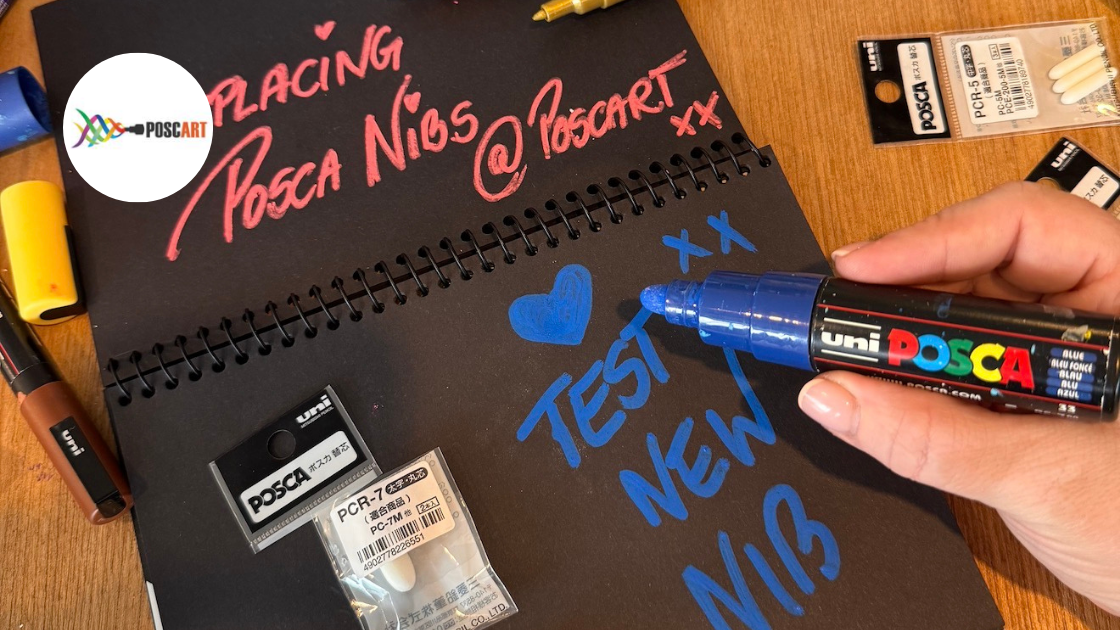
That "dead" marker you're about to toss in the bin might actually have months of creative life left in it. It's a common frustration for many Australian artists when a favourite PC-3M nib frays on a rough stone surface or a PC-5M tip becomes clogged after a long session. You don't need to spend money on a brand new pen just because the applicator has seen better days. Mastering posca pen tips replacement is a practical way to extend the life of your kit while keeping your artwork looking sharp and professional.
We understand how disappointing it is to feel like you're wasting premium supplies. Whether you're a student working on a school project or a professional illustrator, maintaining your tools shouldn't be a chore. This guide will teach you exactly how to identify which nibs can be flipped, how to perform a mess-free swap, and how to revive a dry tip with simple techniques. We'll also help you find the correct genuine Australian stock for your specific marker model, ensuring your PoscART supplies always perform at their peak.
Key Takeaways
- Learn how to recognise the physical signs of wear, such as fraying or inconsistent paint flow, that indicate it is time for a nib refresh.
- Discover which specific models feature reversible nibs that can be flipped to instantly double the functional lifespan of your markers.
- Follow a mess-free "Pull and Plug" method for a seamless posca pen tips replacement using simple tools like tweezers and paper towels.
- Understand how to safely rescue clogged polyester fibres with a simple water soak while avoiding damaging solvents like alcohol.
- Identify why sourcing genuine replacement nibs from an Australian specialist is essential for preventing leaks and protecting your creative projects.
Signs Your POSCA Pen Tip Needs Replacing or a Refresh
Your POSCA markers are precision instruments designed for longevity, but even the most durable tools eventually show their age. Understanding the history of POSCA markers reveals a legacy of Japanese engineering from the Mitsubishi Pencil Company, where every component is built for performance. However, because these markers use a water based pigment ink, the polyester nib is a consumable part that bears the brunt of your creative energy. Recognising the early warning signs of wear can prevent you from ruining a piece of work with an unexpected blotch or a scratchy line.
To better understand how to maintain your markers and keep them in top condition, watch this helpful video:
Maintaining a sharp edge or a smooth bullet point is essential for professional results. If you notice your lines are becoming wider or less defined, it's likely time to consider a posca pen tips replacement. Keeping a small stock of genuine replacement nibs in your art kit ensures that a worn tip never halts your progress mid-project.
Identifying Physical Wear and Fraying
Abrasive surfaces like unprimed wood, stone, or terracotta act like fine-grit sandpaper on the polyester fibres of your nib. Over time, this friction causes the tip to become "fuzzy" or frayed, which leads to unpredictable paint distribution. You might notice a "mushy" feeling when using a PC-5M tip; the usual firm resistance disappears and the nib feels soft against the surface. Nib fatigue is specifically defined as the gradual breakdown of the polyester fibres within the tip due to repeated pressure and friction. When the tip loses its original bullet or chisel shape and becomes flattened, it can no longer deliver the crisp, clean edges that POSCA markers are famous for.
Ink Flow Issues vs. Dried Paint Clogs
It is easy to assume a marker is empty when the paint stops flowing, but the nib is often the actual culprit. Before blaming the tip, give your marker a vigorous shake to listen for the internal ball bearing. If you hear a clear "clack-clack" sound, you still have plenty of paint; the issue is likely a clog. Dried acrylic paint can form a crust around the nib or the valve, preventing the paint from saturating the fibres properly. A clogged valve often feels stuck or "crunchy" when you press down to prime the marker, whereas a dried tip simply feels like a hard, non-absorbent stick. Identifying whether you have a simple blockage or a physically worn-out nib is the first step in deciding whether to refresh or replace.
The Secret Life of POSCA Nibs: Reversible vs. Replaceable
POSCA markers are celebrated for their vibrant acrylic paint, but the true genius lies in their sustainable design. Unlike many disposable art tools, these markers are built with an eco-friendly architecture that encourages maintenance over replacement. This approach aligns with global art material safety standards, ensuring that the tools remain reliable and safe for long-term use. For the savvy Australian artist, knowing the difference between flipping a nib and performing a full posca pen tips replacement can save a significant amount of money over a year of creative work.
Flipping a nib is essentially like getting a brand-new pen for free. The polyester fibres are often shaped identically at both ends, meaning the part hidden inside the barrel is pristine and ready for use. However, there is one notable exception to the rule: the PC-1MR Ultra Fine Tapered Tip. Because this model features a specialised metal sleeve to protect its delicate point, the nib cannot be extracted and reversed. For almost every other bullet-shaped model, a simple flip is your first line of defence against a frayed tip.
Which POSCA Sizes Feature Reversible Tips?
The POSCA PC-5M Medium Bullet Tip is the gold standard for reversibility. It's the most versatile marker in the range, and its symmetrical nib design makes it incredibly easy to refresh. Australian artists will be pleased to know that the finer PC-3M and the extra-fine PC-1M also share this handy feature. While these bullet tips are reversible, larger chisel models like the PC-8K and PC-17K are strictly replaceable. You can swap them for fresh nibs from our replacement nibs collection, but flipping them isn't an option due to their specific geometry.
Why You Should Never Flip a Chisel or Brush Tip
Chisel and brush tips are engineered for specific strokes and require a different approach to maintenance. Chisel nibs are asymmetric; the angled edge you see on the outside is not mirrored on the internal end. Attempting to flip these will likely result in poor ink flow or a damaged valve. The PCF-350 brush tip is even more delicate. Its soft, paint-loaded fibres are designed to mimic a traditional paintbrush, and any attempt to reverse it would permanently ruin its shape. If you're ever unsure whether your specific marker is a candidate for a flip or a full posca pen tips replacement, our team of experts is always happy to help. You can reach out to us for personalised advice on maintaining your art kit.

Step-by-Step Guide: How to Change a POSCA Replacement Tip
Swapping out a worn nib is a quick, five-minute task that ensures your creative flow remains uninterrupted. While many artists worry about creating a mess, a posca pen tips replacement is actually a very clean process if you follow the right steps. By taking the time to seat the new nib correctly, you protect the internal valve system and maintain the high-quality performance you expect from the POSCA range. It's a simple maintenance habit that saves your favourite markers from the bin and keeps your lines crisp.
The "Pull and Plug" method is the industry standard for a reason. It minimises the risk of paint splatters and ensures the internal seal remains intact. You don't need any specialised engineering skills to do this; you just need a steady hand and the right approach to the valve housing. Once the new nib is in place, your marker will feel as responsive as the day you first unboxed it.
Preparing Your Workspace to Avoid Paint Mess
Acrylic paint is notoriously difficult to remove from fabrics and porous surfaces once it dries. Always lay down a few sheets of old newspaper or a protective mat before you begin. Have a few sheets of paper towel and a small bowl of water nearby to catch any stray drips. Using tweezers is the most professional way to handle the swap. It keeps your fingers clean and provides a much firmer grip on the base of the nib than your fingertips ever could. If you're working with a particularly "juicy" marker, wearing a pair of disposable gloves is a smart move to prevent staining your skin. Handling the "wet" end of the old nib requires care, so place it directly onto a paper towel the moment it's removed.
The Extraction and Insertion Process
Refreshing your marker requires a gentle but firm touch to avoid damaging the delicate internal components. Follow these four steps to complete the swap:
- Step 1: Firmly grip the base of the old nib with your tweezers or a folded piece of paper towel.
- Step 2: Pull the nib straight out of the marker body. Avoid the temptation to twist or wiggle the nib, as this can wear down the internal housing or damage the valve seal.
- Step 3: Take your fresh replacement nib and slide it into the opening until it reaches a natural stop. You should feel it seat firmly into the valve housing.
- Step 4: Follow the standard activation process to saturate the new tip.
Re-priming the marker with a fresh nib requires a bit of patience. The first pump takes longer than usual because the polyester fibres are completely dry. Press the tip down on a scrap piece of paper and hold it for a few seconds rather than pumping it rapidly. Rapid pumping can lead to an airlock or an accidental flood of paint. Wait for the pigment to travel down the length of the nib until the colour is consistent. Once the tip is fully saturated, you're ready to get back to your project with a tool that performs like new.
Troubleshooting and Maintenance: Can You Save a Clogged Nib?
Sometimes a marker isn't actually worn out; it's just temporarily out of action due to dried pigment. Before you commit to a full posca pen tips replacement, it's worth attempting a rescue mission to see if the fibres are still functional. Clogging is a common hurdle for Australian artists, especially when working in lower humidity or during the height of summer. If the paint has simply dried on the surface of the nib, a bit of targeted maintenance can often restore that smooth, buttery flow you love.
Alcohol and harsh solvents are the enemies of your art markers. While it might be tempting to use a cleaning agent to dissolve stubborn paint, these chemicals break down the acrylic binder within the marker. This ruins the consistency of your paint and can permanently damage the internal valve seal. Stick to plain water for all your cleaning needs. For minor physical wear, you can use a pair of fine embroidery scissors to carefully trim away small frayed "hairs" from the tip. This is a great temporary fix for a PC-5M or PC-3M that has become slightly fuzzy, though it won't replace the precision of a fresh nib.
The Water Soak Method for Dried Acrylic
The most effective way to revive a stubborn tip is a lukewarm water soak. Extract the nib using the "Pull and Plug" method described earlier and place it in a small container of clean, lukewarm water overnight. This gentle process slowly softens the dried acrylic without damaging the polyester structure. Once the soak is complete, rinse the nib under a tap until the water runs clear. You must allow the nib to dry completely on a piece of paper towel before reinserting it. If you put a damp nib back into the marker, the remaining water will dilute your paint, leading to transparent, watery streaks on your canvas. If the nib remains rock-hard or the fibres are physically shredded after the soak, it's a clear sign that the tip is too far gone for a rescue.
Storage Habits to Prevent Clogging
Prevention is always better than a cure, and your storage habits play a massive role in marker health. The harsh Australian climate can be brutal on art supplies, so keeping your markers in a cool, stable environment is essential. Storing your POSCAs horizontally is the best way to ensure the pigment stays evenly distributed and the nib remains moist without being flooded. This prevents the heavy solids in the paint from settling entirely at the bottom of the barrel or clogging the valve.
Always listen for the signature "click" when you replace the cap; this confirms an airtight seal that prevents the nib from drying out prematurely. Using dedicated POSCA storage cases is a brilliant way to organise your collection while providing an extra layer of protection against heat and dust. If your marker still isn't performing after these maintenance steps, it might be time for a full posca pen tips replacement to get your project back on track. If you're struggling with a specific marker issue, you can always contact our creative support team for expert advice.
Where to Source Genuine POSCA Replacement Nibs in Australia
Investing in high-quality paint markers is only half the battle; maintaining them with authentic components is what separates a hobbyist from a professional. When you're looking for a posca pen tips replacement, it's tempting to opt for generic, unbranded alternatives found on global marketplaces. However, these "compatible" nibs often lack the precise capillary engineering required to regulate the flow of POSCA's unique water based pigment. Using non-genuine parts increases the risk of sudden leaks, which can ruin hours of work on a custom canvas or a delicate illustration project. Authentic parts are the only way to ensure your markers continue to function exactly as the manufacturer intended.
Buying from an Australian specialist like PoscART ensures you receive fresh, authentic stock that hasn't been sitting in a warehouse for years. This is particularly important for the polyester fibres in the nib, which can become brittle if stored in poor conditions. We understand the needs of the local creative community and prioritise fast, reliable shipping so you can get back to your project without lengthy delays. By matching your marker model to the correct manufacturer part number, such as the PCR-5NIB for medium bullet tips, you guarantee a perfect fit and a mess-free experience.
Why Authentic Nibs Matter for Consistent Flow
The internal structure of a genuine Uni-ball POSCA nib is a marvel of fluid dynamics. It is designed to draw paint from the barrel through controlled capillary action, ensuring a consistent saturation level from the first stroke to the last. Generic nibs are often made from inferior, harder polyester that feels scratchy on the surface. This can lead to tearing the fibres of your art paper or leaving visible gouges in your base coat. Authentic replacements preserve the signature colour quality and opacity that POSCA is known for, allowing for smooth layering and blending without unexpected dry patches.
Finding Your Perfect Match at PoscART
We carry a comprehensive range of replacement parts to suit every artist in Australia. From the ultra-fine PC-1M tips used for intricate detailing to the massive PC-17K broad chisels for mural work, our inventory is curated to support every scale of creativity. We highly recommend that artists keep a "backup pack" of their most-used nib sizes in their kit. Having a posca pen tips replacement ready to go means a frayed tip on a rough stone surface will never force you to stop your creative flow. If you are unsure which part number matches your current collection, you can enquire about specific replacement parts for your set and our knowledgeable team will help you find the exact match for your favourite markers.
Keep Your Creative Tools Performing at Their Peak
Extending the life of your POSCA markers is a practical way to protect your artistic investment while ensuring your work stays professional and precise. By mastering the art of posca pen tips replacement, you've learned that a frayed or clogged nib doesn't have to mean the end of your favourite pen. Whether you're flipping a reversible PC-5M tip or performing a full swap on a broad chisel, these simple maintenance habits keep your lines clean and your colours opaque.
Choosing authentic parts is the most reliable way to maintain the high performance of your kit. At PoscART, we're an Australian family owned and operated business dedicated to supporting your creative journey. We provide 100% genuine POSCA stock and offer specialist knowledge on all 8 POSCA tip sizes to ensure you get the perfect match every time. Our team is committed to helping you find the right tools so you can focus on what matters most: your art.
Need a hand finding the right replacement nib? Contact our Artistic Support Team today!
We can't wait to see what you create next with your refreshed markers. Happy creating!
Frequently Asked Questions
Can you wash POSCA pen tips if they get dirty?
Yes, you can wash POSCA nibs using lukewarm water if they become contaminated with other colours or dust. Simply extract the nib and rinse it under a tap until the water runs clear. It is vital to let the polyester fibres dry completely on a paper towel before reinserting them. Putting a wet nib back into the marker will dilute the acrylic paint and ruin its signature opacity.
How do I know if my POSCA nib is reversible?
You can identify a reversible nib by checking the model number on the marker barrel. The PC-1M, PC-3M, and PC-5M bullet tips are designed to be flipped. If you pull the nib out and find that the internal end is shaped exactly like the external writing end, it is reversible. Chisel tips like the PC-8K and brush tips are never reversible due to their asymmetric shapes.
Can I swap a bullet tip for a chisel tip in the same marker?
No, you cannot swap different tip shapes or sizes within the same marker body. Each barrel is precision-engineered to house a specific valve and nib diameter. Attempting to force a PC-8K chisel nib into a PC-5M barrel will damage the internal seal and cause permanent leaking. Always match your replacement parts to the specific model number printed on your pen.
What should I do if my replacement nib won’t stop leaking?
Leaking usually indicates that the nib hasn't been seated properly in the internal valve housing. Gently remove the nib and reinsert it, ensuring it reaches the natural stop without being forced. If you've been pumping the marker too aggressively, paint can flood the chamber; simply wipe the excess with a paper towel and practise a lighter touch during the next activation.
Why is my new POSCA tip still scratchy after replacing it?
A scratchy sensation often means the new nib hasn't been fully saturated with paint yet. Because fresh polyester fibres are bone-dry, they require a longer initial priming period than a used nib. Hold the marker vertically and press the tip down on a scrap piece of paper for several seconds. If the issue persists, check that you aren't using a generic part, as these often lack the smooth finish of genuine stock.
Are replacement nibs available for the POSCA MOP’R?
No, the POSCA MOP’R PCM-22 uses a specialised XXL round foam tip that is not designed for individual replacement. Unlike the traditional bullet or chisel pens, the MOP'R is an all-in-one tool where the applicator is integrated into the bottle. To keep your MOP'R in top shape, always wipe the foam tip clean after use and ensure the cap is clicked on tightly to prevent the foam from hardening.
How long does a typical POSCA replacement nib last?
A typical nib's lifespan varies based on your choice of surface and application pressure. On smooth art paper, a single tip can often last through the marker's entire paint supply. However, if you're working on abrasive surfaces like unprimed terracotta or stone, a posca pen tips replacement might be necessary more frequently to maintain a crisp line. Keeping a backup pack ensures you never have to stop mid-project.
Can I use water to thin out the paint if the nib is dry?
No, you should never add water directly into the marker barrel to thin the paint. While you can dip a dry nib into water to soften any surface crust, altering the internal paint mixture destroys the balance of the acrylic binder. This leads to poor adhesion and may cause your artwork to flake off the surface later. If the paint inside the barrel has truly dried out, a posca pen tips replacement won't help; the marker itself will need to be replaced.
General Information
This article is provided as general information only to help customers compare and choose POSCA markers, acrylic markers, art supplies, creative tools and related products. Product details, colours, finishes, surface suitability, availability, pricing and usage results may vary. Always check the individual product page, manufacturer information, age guidance, surface instructions and safety recommendations before purchasing or using a product.